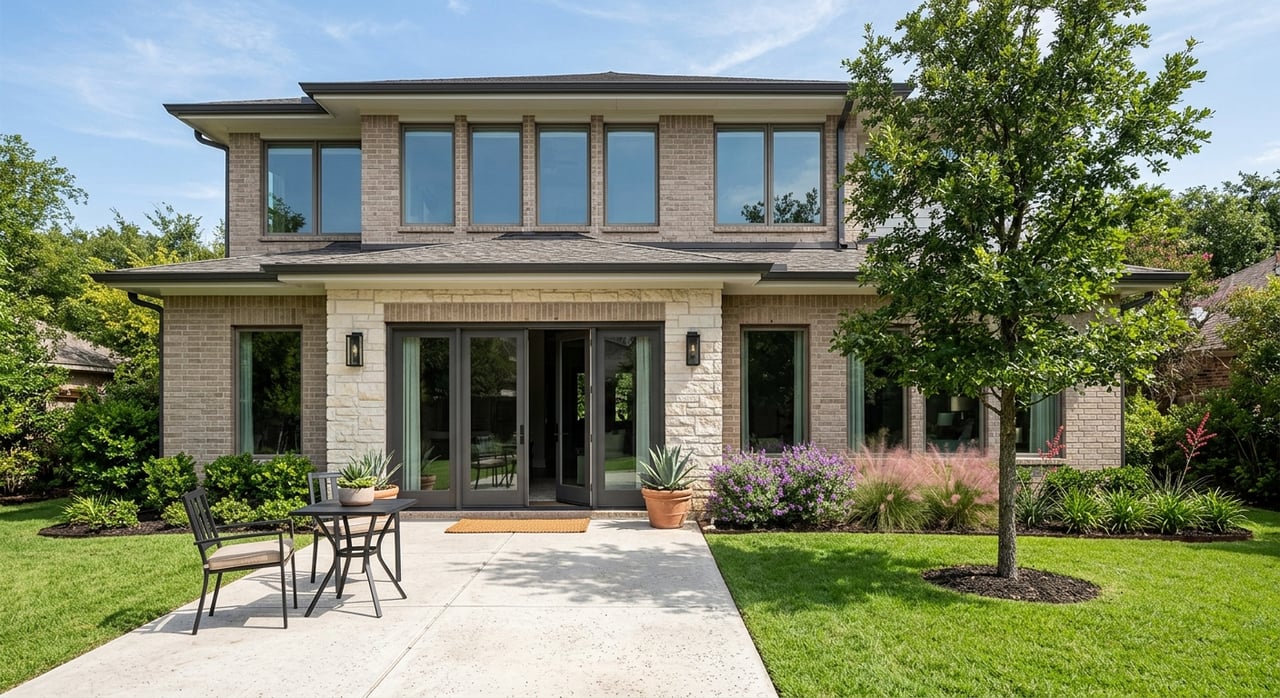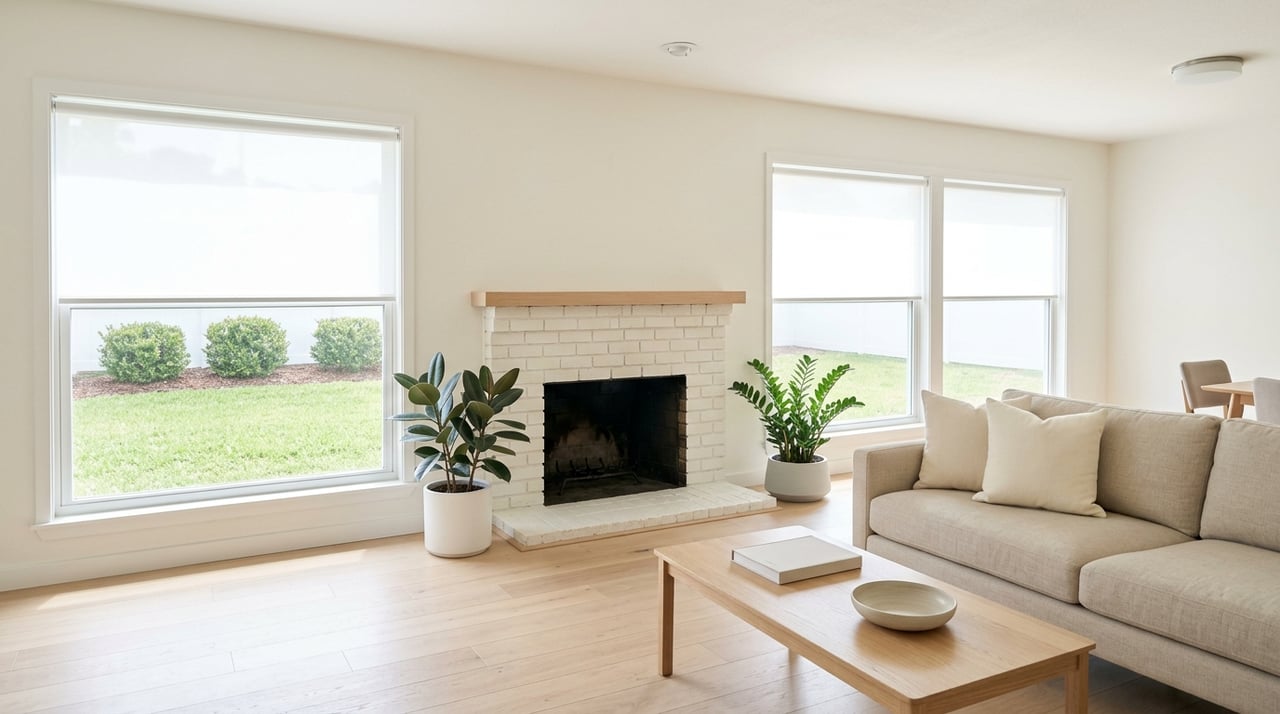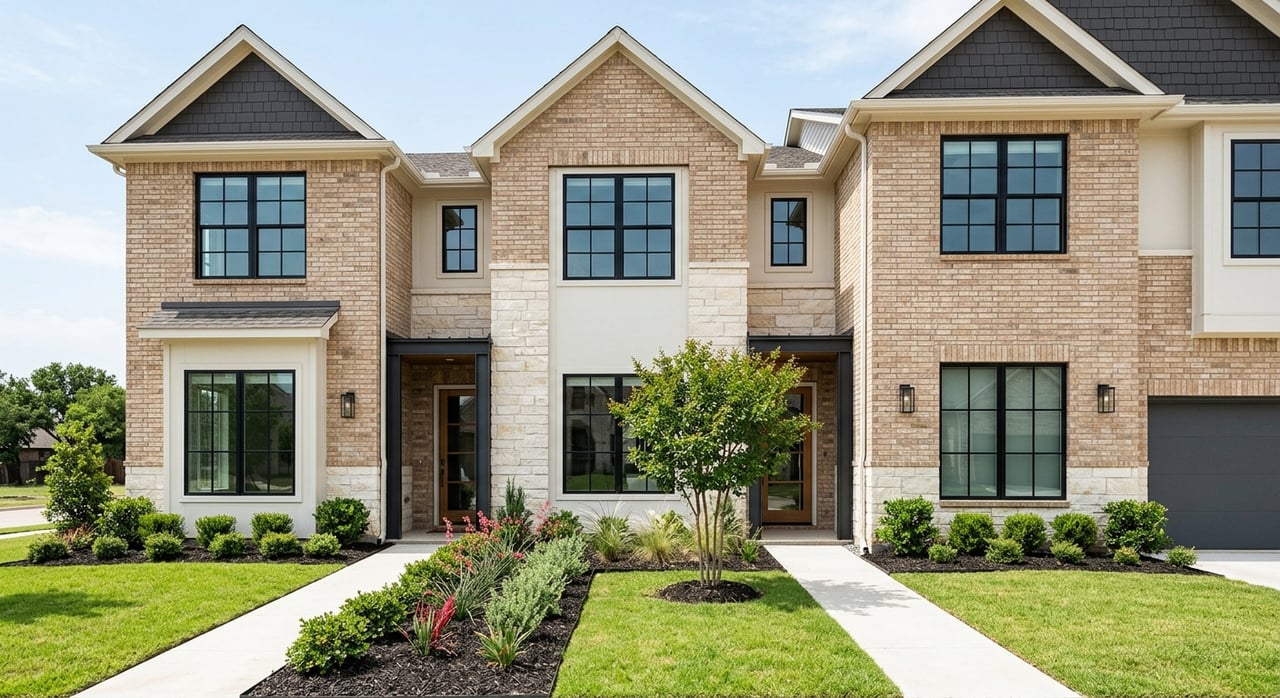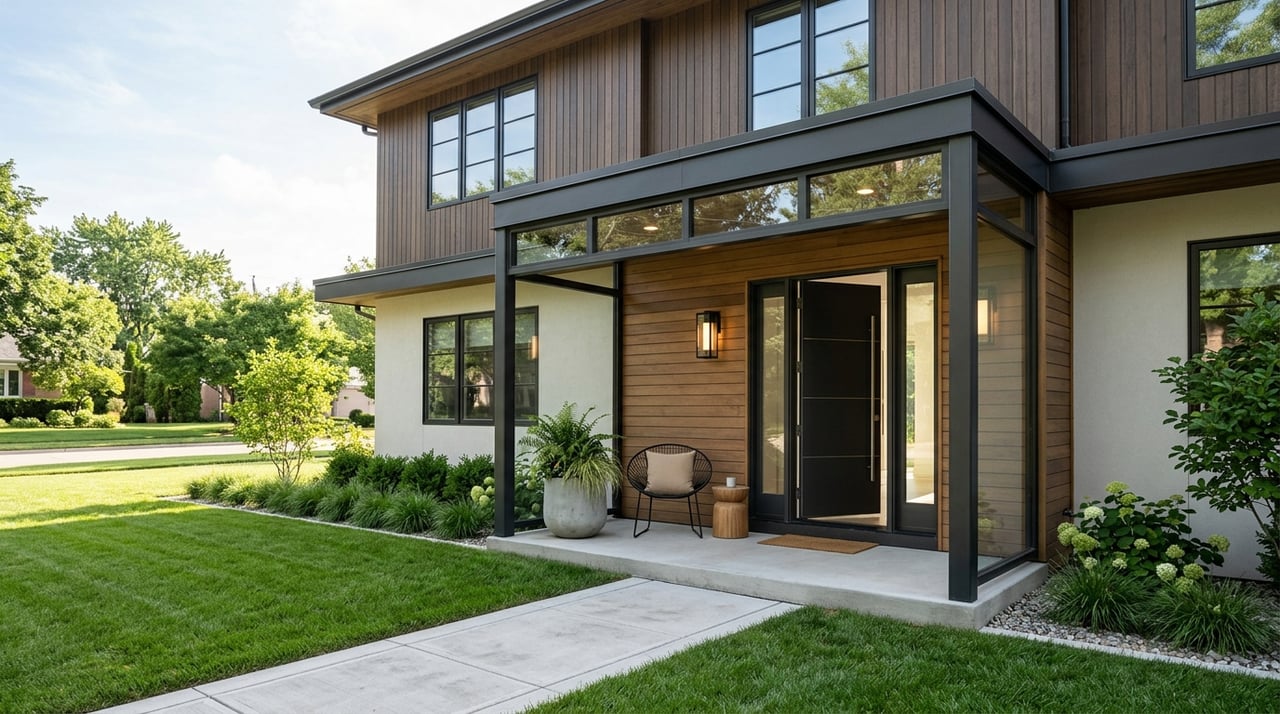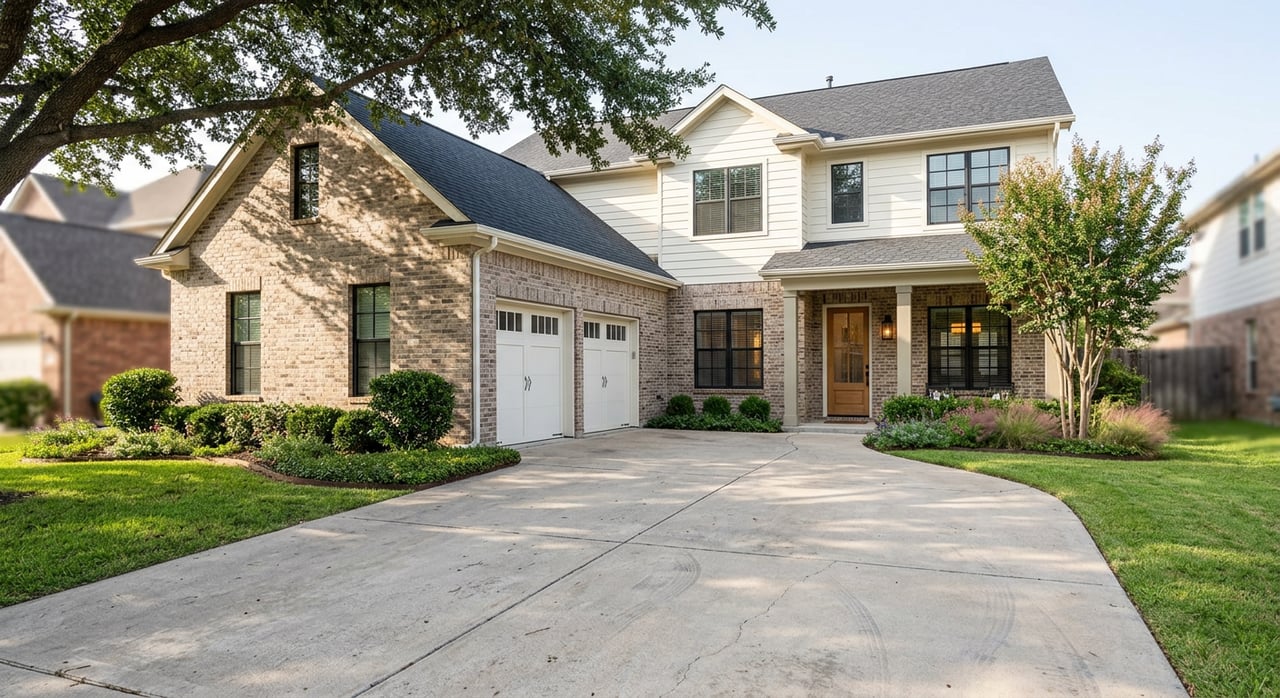
Buying your first home in DFW but worried about price and commute? Garland might be your sweet spot. You get a realistic entry price, flexible commuting options, and plenty of neighborhood amenities that make daily life simple. In this guide, you’ll see what starter homes typically cost, where value clusters by ZIP code, how the commute works to major job centers, and what lifestyle and school tradeoffs to weigh. Let’s dive in.
What Garland starter homes cost now
If you are targeting a starter budget, Garland offers a wide range. Across major market trackers, typical values and recent medians cluster between about $270,000 and $330,000, with entry opportunities dipping lower in a few pockets and premium neighborhoods trending higher. A practical citywide “starter” band to plan around is $250,000 to $320,000.
Rents often land around $1,500 to $1,900 per month depending on unit size and location. If you are paying in that range today, a starter home may produce a similar monthly outlay once you factor in down payment, interest rate, taxes, insurance, and any HOA. It pays to run the full numbers before you decide.
For context, Garland’s median household income and average commute time help frame local affordability. According to Census QuickFacts, median household income is about $76,000, and mean travel time to work is roughly 29.7 minutes.
Where value clusters by ZIP code
Garland isn’t one-size-fits-all. Price points often track with age of homes, proximity to lakeside amenities, and master-planned developments.
Entry-level pockets
- 75041 and parts of 75042 typically show some of the city’s lower entry prices. Zip-level snapshots, such as 75041 on Prop-Metrics, often reflect medians in the mid to upper $200s depending on recent sales mix. Housing stock here leans older, with many 1960s–1980s single-story homes on modest lots.
Mid-range neighborhoods
- 75040 and 75043 commonly trade in the high $200s to low $300s for starter-friendly listings. You’ll see a mix of 1970s–1990s homes, occasional updates, and convenient access to major roads. East-side areas near Lake Ray Hubbard add weekend recreation, which some buyers prioritize.
Premium tiers
- 75044 and the Firewheel area skew higher due to newer construction, community amenities, and planned neighborhood layouts. It is a strong pick if you want later-1990s–2000s homes and a town-center style retail core, but you should expect a higher price point compared to city medians.
What Garland starter homes look like
You’ll see three common formats when you tour:
- One-story ranch homes with 3 bedrooms and 2 baths, roughly 1,000 to 1,800 square feet. Many were built from the 1950s through the 1980s in central and southern Garland. These often deliver the lowest entry prices. Plan for potential updates and a careful inspection.
- A smaller set of duplexes, condos, or attached homes near older cores and infill pockets. These can offer lower maintenance, though availability varies month to month.
- Newer tract homes in master-planned or late-1990s to 2000s subdivisions, especially in north Garland and Firewheel. You pay a premium for age, layout, and planned community feel.
For older North Texas homes, build a basic maintenance budget into your plan. Inspections should pay close attention to the roof, HVAC, plumbing, electrical systems, and the foundation. Your agent can help you prioritize contractors and quotes so you understand true move-in costs before you commit.
Commute tradeoffs to major job centers
Garland’s location and transit options are a big part of its value story. Buyers often choose between a longer commute for a lower mortgage or paying up for faster access to certain job hubs.
- Rail to downtown Dallas: The DART Blue Line runs from Downtown Garland Station into the Dallas core. The Downtown Garland to West End trip is about 32 minutes based on DART’s published travel time. See the DART Blue Line benchmark and check current schedules before you go.
- Driving: Garland connects quickly to I-30, President George Bush Turnpike (PGBT/190), and US-75 corridors. City fast facts place Garland roughly 18 miles to downtown Dallas and about 27 miles to DFW International Airport. Expect about 25 to 35 minutes to central Dallas off-peak and a broader 20 to 45 minutes window depending on traffic and time of day. Confirm distances on Garland Economic Development fast facts.
- North-side job centers: Richardson/CityLine and Plano are often reachable within 20 to 45 minutes by car depending on route and peak congestion. Suburb-to-suburb transit typically requires transfers, so most commuters drive.
Pro tip: Test two real-world commutes with your likely home search area and your work address. Run morning and evening peak tests using a map app. If you’ll use rail, time the full door-to-door trip including parking or last-mile connections.
Lifestyle and amenities that support daily life
Garland’s amenities are a key reason many first-time buyers plant roots here.
- Lake access: The east side backs onto Lake Ray Hubbard, with boat ramps, marinas, and shoreline recreation. For a planning snapshot, review the city’s lakeside area plan draft for South Garland’s waterfront vision in the Setting Sail Lakeside Area Plan.
- Retail and dining: Firewheel Town Center anchors a wide range of shops, services, and restaurants in an outdoor main-street setting. Get a feel for the tenant mix at Firewheel Town Center.
- Parks and trails: Duck Creek Greenbelt and a network of neighborhood parks create everyday outdoor options. The city’s Parks, Recreation & Cultural Arts Master Plan outlines ongoing trail and park investments across the community.
Schools, programs, and resale considerations
Most of Garland falls within Garland ISD, with some addresses mapping into Dallas, Mesquite, or Richardson ISDs. Attendance and program options vary by location. School performance is campus-specific, and Garland ISD offers magnet and choice programs that some families prioritize.
For the most accurate picture, review the Texas Education Agency’s campus-level results. Start with the latest TEA accountability reports and confirm attendance by address with the district. Better-performing campuses or sought-after programs can support demand and, over time, may help with resale strength. If affordability is the priority, you might consider a lower-cost area with planned investments and allocate budget toward updates.
Quick rent-versus-buy check
If your rent is in the $1,500 to $1,900 range, a Garland starter home between $250,000 and $320,000 can be competitive once you factor in financing, taxes, insurance, and HOA dues where applicable. The only way to know for sure is to model your numbers. A lender preapproval and a side-by-side estimate will show how your monthly cash flow compares to renting, including reserves for maintenance and utilities.
First-time buyer checklist for Garland
Use this short list to focus your search and protect your budget:
- Test two commutes: Home-to-work in both rush-hour windows. If rail is an option, time Downtown Garland to West End at about 32 minutes on the Blue Line and add door-to-door connections. See the DART Blue Line benchmark.
- Map your price tier: Identify entry, mid, and premium ZIPs. For example, 75041/75042 often offer lower entry points; 75040/75043 are mid-range; 75044/Firewheel trend higher. Reference a zip-level tool like Prop-Metrics for 75041 to spot patterns over time.
- Inspect smart: For older homes, budget for potential roof, HVAC, plumbing, electrical, and foundation work. Get quotes during option period so you know real costs, not guesses.
- Verify schools: Check campus results with the TEA accountability reports. Confirm attendance and any magnet or choice options by address.
- Know the recurring costs: Pull the property’s most recent tax bill, estimate insurance, and verify HOA dues if applicable. Model utilities and set aside a monthly home maintenance reserve.
- Tour at two times: Visit during daylight and early evening to understand traffic patterns, noise, and general activity.
The bottom line
Garland gives first-time buyers a realistic path into homeownership without giving up access to Dallas, Richardson, or Plano job centers. If you focus on the right ZIPs, match the commute to your routine, and budget correctly for the age of the home, you can land a place that fits your lifestyle and supports long-term value.
Ready to test-drive neighborhoods, commute times, and numbers with a patient, financing-savvy guide? Connect with Joseph Bazan to map a clear plan and start touring homes that fit your budget.
FAQs
What is a typical starter-home price in Garland right now?
- Many first-time buyers find options between about $250,000 and $320,000, with citywide medians from major trackers clustering around the upper $200s to low $300s.
How long is the DART ride from Downtown Garland to downtown Dallas?
- The Blue Line trip from Downtown Garland Station to West End is about 32 minutes, based on DART’s published benchmark.
Which Garland ZIP codes often have more affordable listings?
- 75041 and parts of 75042 commonly have lower entry points, while 75040 and 75043 are mid-range and 75044/Firewheel trends higher; always verify with current listings.
What home types should first-time buyers expect in Garland?
- You’ll mostly see 1950s–1980s single-story ranch homes in central and southern areas, plus newer 1990s–2000s subdivisions in north Garland that command higher prices.
How do schools affect home value and resale in Garland?
- Performance varies by campus; reviewing TEA accountability results and confirming attendance zones by address can help you weigh tradeoffs that may influence demand and resale.