Trying to choose between Las Colinas and Valley Ranch in Irving? You are not alone. Both are well-known master-planned communities, but they offer very different price points, housing styles, and day-to-day lifestyles. If you want a clear, practical breakdown before you start touring homes, this guide will help you compare the two with confidence. Let’s dive in.
Las Colinas and Valley Ranch at a Glance
Las Colinas and Valley Ranch are both established Irving communities, but they serve different needs. Las Colinas is the larger area, with about 12,000 acres and more than 40 residential villages, along with commercial, retail, educational, and recreational uses.
Valley Ranch is smaller at about 2,400 acres and feels more residential overall. According to the Irving Chamber, it includes about 4,000 single-family homes, 22 multi-family properties, and more than 120 local businesses.
If you want the simplest comparison, think of it this way: Las Colinas leans more urban and mixed-use, while Valley Ranch leans more suburban and residential. That difference shapes everything from home prices to commute patterns.
Home Prices and Housing Options
One of the biggest differences between Las Colinas and Valley Ranch is cost. As of May 2026, Las Colinas had a median listing price of $662,500, while Valley Ranch came in at $507,450. That puts Valley Ranch about $155,050 lower on median listing price, or roughly 30.6% less.
Las Colinas also posted a median sold price of $678,000 and a price per square foot of $255. Valley Ranch showed a median sold price of $409,375 and $235 per square foot.
Las Colinas Housing Mix
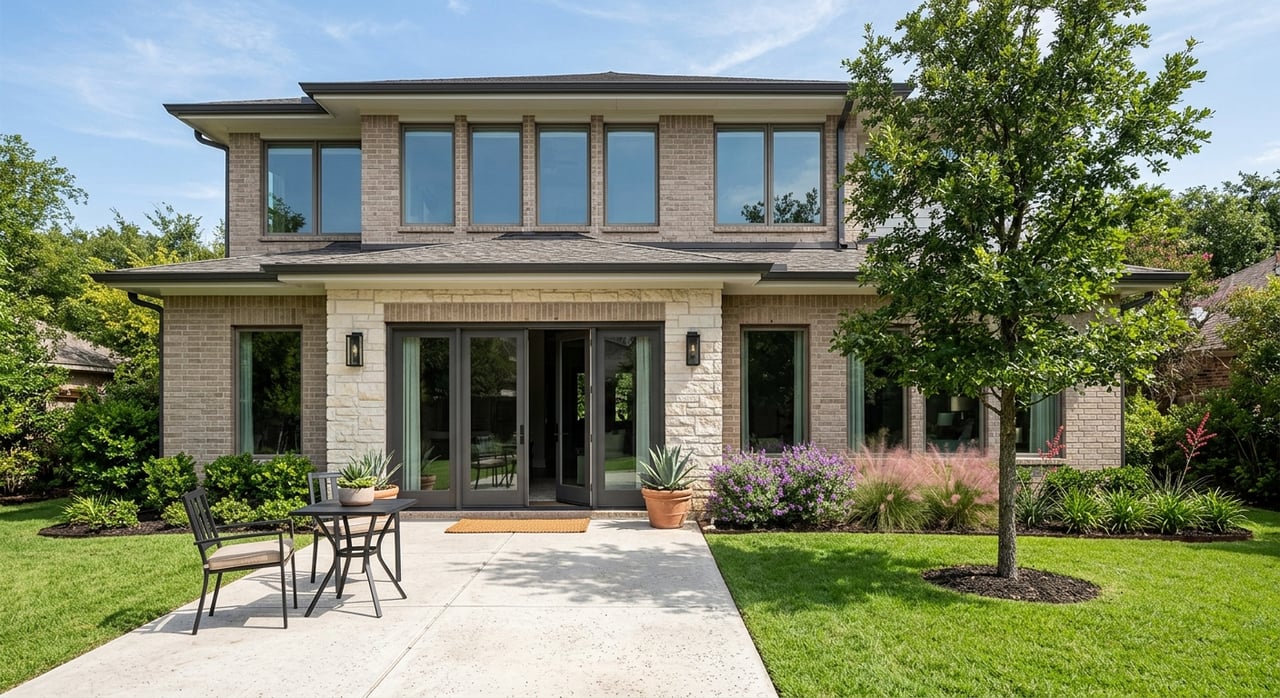
Las Colinas offers a broader range of housing types. The community includes single-family homes, townhomes, condominiums, golf-course lots, and gated options.
That variety can be helpful if you want flexibility in both budget and lifestyle. You may find everything from more lock-and-leave options to larger homes in more upscale settings.
Valley Ranch Housing Mix
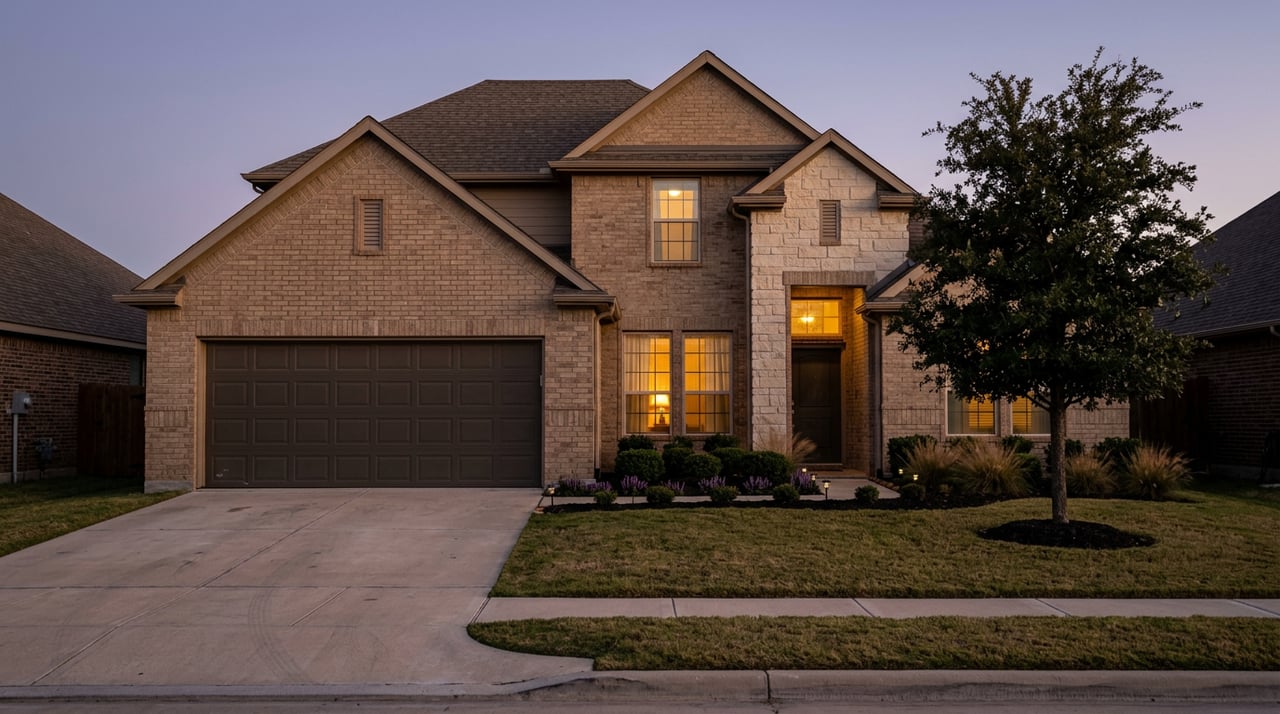
Valley Ranch is more single-family-heavy, though it is not limited to detached homes. The area also includes multi-family properties, apartments, and some condo and townhome inventory.
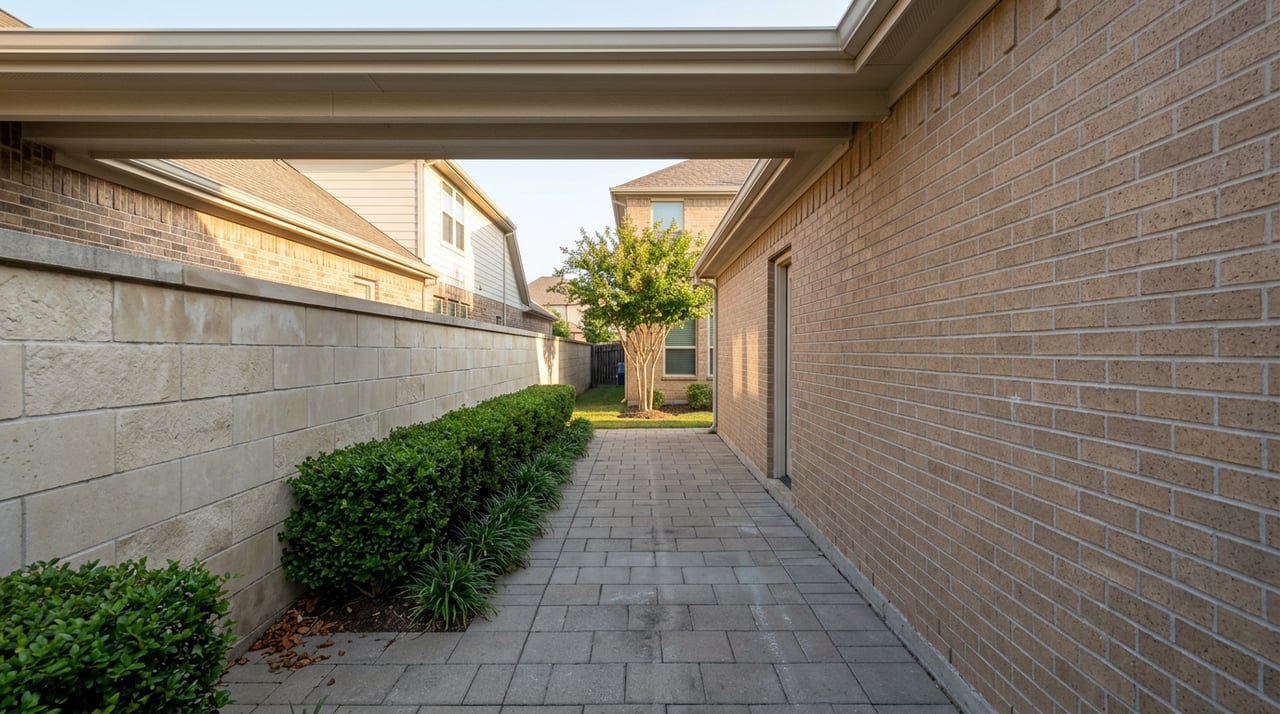
Still, the overall feel is more traditional and suburban. If you picture tree-lined streets, a stronger single-family presence, and a more neighborhood-centered layout, Valley Ranch may line up better with what you want.
Commute and Transportation Differences
Your daily commute can quickly shape how happy you are with a neighborhood. This is one of the clearest dividing lines between Las Colinas and Valley Ranch.
Las Colinas Transit Access
Las Colinas stands out for rail access and a more connected layout. The DART Orange Line serves several stations in the area, including Irving Convention Center, Las Colinas Urban Center, Belt Line, North Lake College, University of Dallas, and Hidden Ridge.
That rail access connects riders to DFW Airport, Love Field, and downtown Dallas. Las Colinas also has the free Loop at Las Colinas circulator around Las Colinas Boulevard and Lake Carolyn Parkway, which adds convenience for getting around the core area.
If you want to reduce car dependence or value easier access to major destinations, Las Colinas has the stronger transit setup. It is often the more natural fit for buyers who want a live-work-play environment with more mobility options.
Valley Ranch Highway Access
Valley Ranch is more car-oriented. Official community sources emphasize its location north of I-635, access to major roadways, and proximity to DFW Airport.
Transit is still present. Valley Ranch Library is served by DART bus route 229, but the area is generally positioned more around driving than rail.
If your routine already revolves around highway commuting, Valley Ranch may feel more straightforward. For many buyers, that creates a familiar suburban rhythm with easy in-and-out access by car.
Lifestyle and Neighborhood Feel
Price and commute matter, but so does how a place feels when you live there. Las Colinas and Valley Ranch have distinct personalities.
Las Colinas Lifestyle
Las Colinas is the more amenity-dense and walkable option. The Las Colinas Association says the community includes 190 acres of parks and greenbelts, 17 miles of canals and waterways, 10 miles of riverside hiking and biking trails, and more than 200 restaurants.
It also includes well-known destinations tied to Lake Carolyn, Toyota Music Factory, Irving Convention Center, and the Mustangs of Las Colinas. That gives the area a more active, mixed-use atmosphere with a broader range of dining and entertainment nearby.
If you want a neighborhood where residential life blends with restaurants, offices, trails, and entertainment, Las Colinas offers more of that energy. It tends to appeal to buyers who want convenience and variety close to home.
Valley Ranch Lifestyle
Valley Ranch has a different kind of appeal. It is known for its canal system, with more than five miles of landscaped canal walkways and ponds that help define the area's outdoor character.
The community also includes amenities such as Cimarron Park, a recreation center, tennis courts, basketball courts, and playgrounds. Valley Ranch Library also includes a neighborhood makerspace through the city's MiY Zone program.
That mix supports a more neighborhood-based, everyday lifestyle. If you want scenic walking areas, established community features, and a more residential pace, Valley Ranch stands out.
HOA and Community Standards
Both communities have active association oversight, which is worth noting before you buy. In Las Colinas, the common-property program maintains parks, street medians, greenbelts, and other shared spaces.
In Valley Ranch, the master board oversees landscaping, irrigation, bridge maintenance, canal walkways, and lighting. For buyers, that can translate into consistent upkeep and a more polished common-area appearance.
At the same time, association involvement can also mean more defined standards. If exterior consistency and maintained shared spaces matter to you, both communities offer that, though the day-to-day experience may vary by property and section.
Which Neighborhood Offers Better Value?
Value depends on what you need, not just what you spend. Valley Ranch comes in at a lower median listing price and a lower price per square foot, which can make it appealing if you want to stretch your budget further in Irving.
Las Colinas, on the other hand, may justify the higher price for buyers who place a premium on transit access, mixed-use convenience, and a wider range of housing types. In other words, Valley Ranch often wins on price, while Las Colinas often wins on variety and connectivity.
If you are comparing homes with monthly payment in mind, this is where financing strategy matters. A neighborhood that looks more affordable on list price can still differ in total cost depending on the property type, dues, taxes, and your loan structure.
Las Colinas vs Valley Ranch: Best Fit by Buyer Type
Neither neighborhood is universally better. The better choice depends on how you live and what matters most to you.
Las Colinas May Be Best If You Want:
- A broader mix of condos, townhomes, and single-family homes
- Stronger DART rail access
- Easier trips to downtown Dallas or the airports
- More restaurants and entertainment nearby
- A more urban, mixed-use environment
Valley Ranch May Be Best If You Want:
- A lower median listing price
- A more single-family-oriented setting
- Scenic canal walkways and neighborhood parks
- A quieter, more residential feel
- A commute pattern centered on driving and highway access
Final Thoughts on Choosing Between Them
Las Colinas and Valley Ranch are both strong Irving options, but they solve different problems. Las Colinas is usually the better fit if you want more housing variety, more transit access, and a more urban feel. Valley Ranch is often the better fit if you want more value, a more traditional residential setting, and a car-friendly suburban routine.
The right move is to match the neighborhood to your budget, commute, and daily lifestyle. If you want help comparing homes, running the numbers, or narrowing down which part of Irving makes the most sense for you, Joseph Bazan can help you make a smart, low-stress move.
FAQs
What is the main difference between Las Colinas and Valley Ranch in Irving?
- Las Colinas is larger, more mixed-use, and more transit-connected, while Valley Ranch is smaller, more residential, and more highway-oriented.
Is Las Colinas more expensive than Valley Ranch?
- Yes. As of May 2026, the median listing price was $662,500 in Las Colinas versus $507,450 in Valley Ranch.
Does Las Colinas have better public transit than Valley Ranch?
- Yes. Las Colinas has several DART Orange Line stations and the free Loop at Las Colinas circulator, while Valley Ranch is more focused on road access and bus service.
Is Valley Ranch mostly single-family homes?
- Valley Ranch has a strong single-family presence, but it also includes multi-family properties, apartments, and some condo and townhome options.
Which Irving neighborhood is better for a more walkable lifestyle?
- Las Colinas is generally the better fit if you want more walkability, more nearby destinations, and stronger transit connections.
Which Irving neighborhood is better for buyers seeking lower home prices?
- Valley Ranch is usually the better fit for buyers focused on a lower median listing price and a more value-oriented entry point into the Irving market.