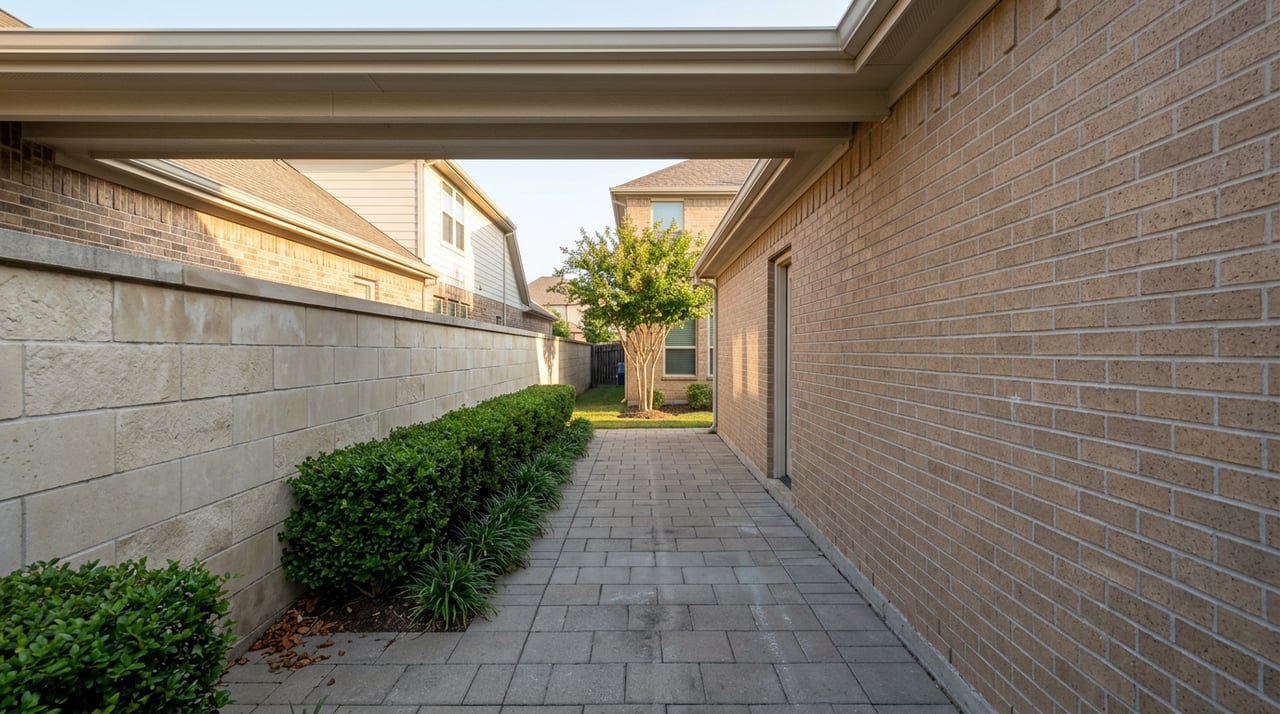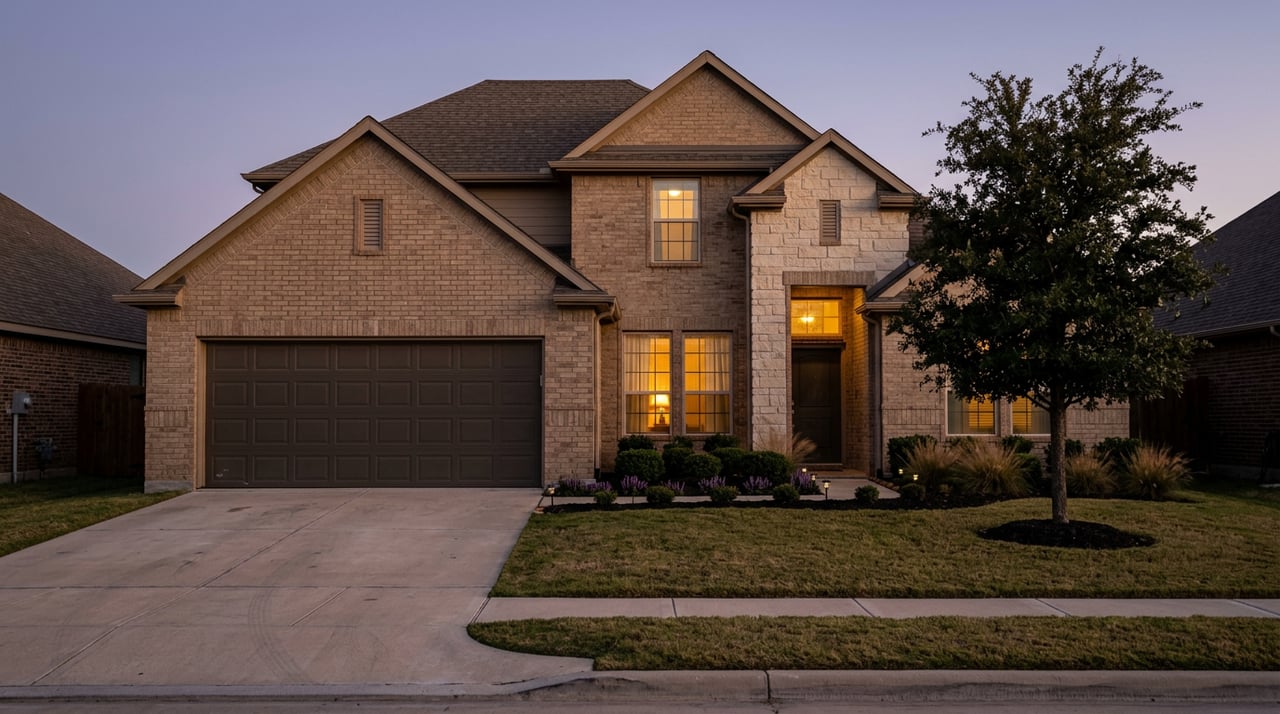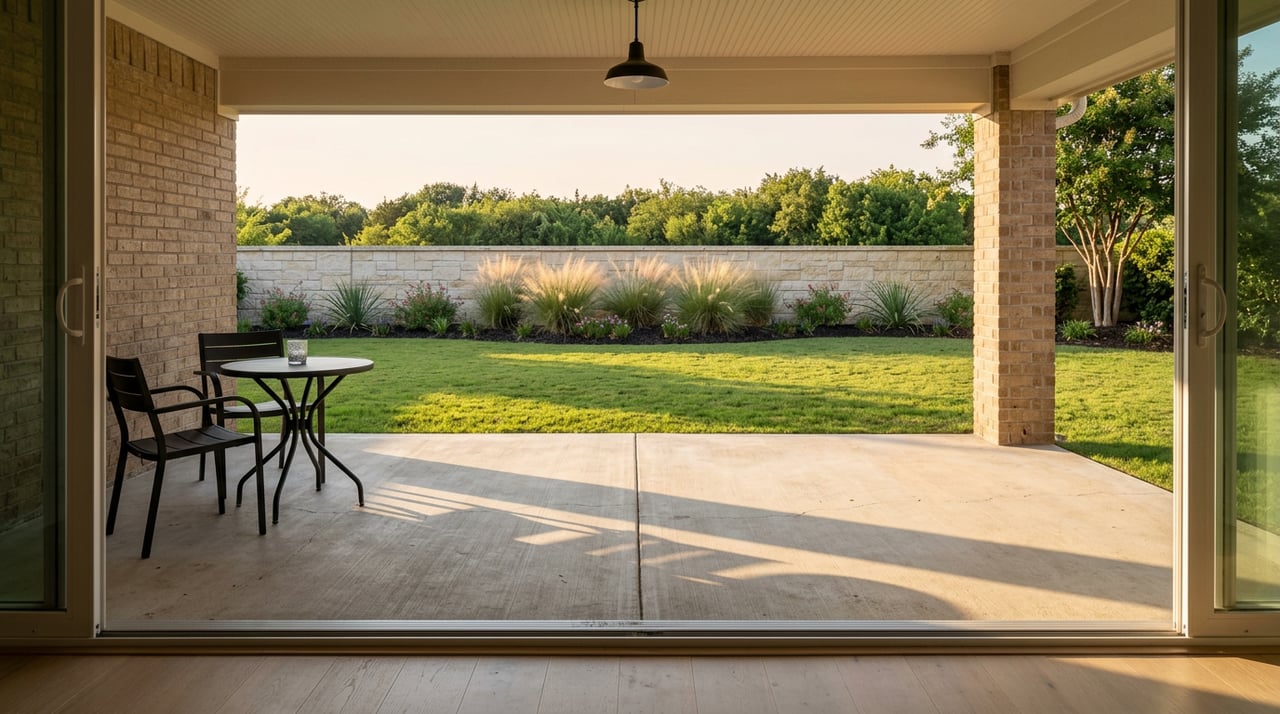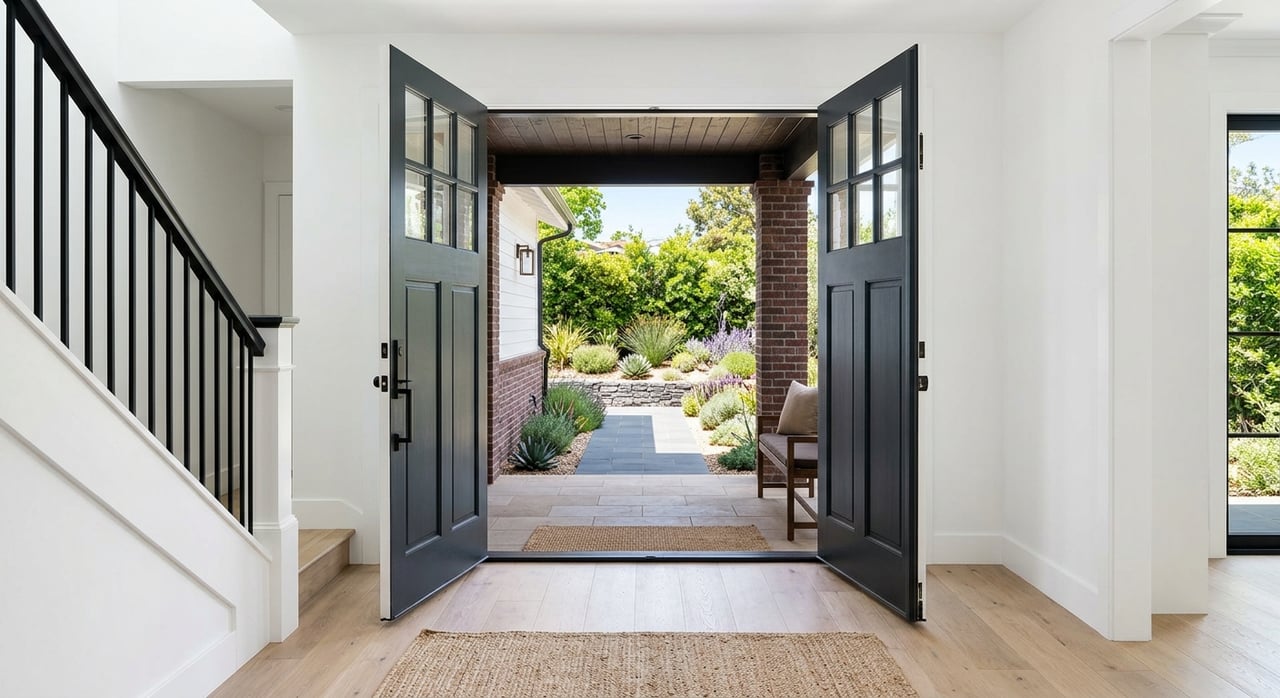
If you want to build a single-family rental portfolio in Carrollton, you need more than a good-looking listing and a rough rent estimate. In this part of DFW, the numbers can work, but they usually work best for investors who stay disciplined, think long term, and pay close attention to city rules. The good news is that Carrollton and nearby Farmers Branch both offer real demand drivers, transit access, and a solid base of working-age renters. Let’s dive in.
Why Carrollton-Farmers Branch Gets Investor Attention
Carrollton and Farmers Branch sit in the core of the DFW rental market. Carrollton notes that the city has three DART light-rail stations, and the DART Silver Line connection links Carrollton, Farmers Branch, Dallas, Addison, Coppell, Grapevine, Richardson, Plano, and DFW Airport. For a rental owner, that wider transit network matters because it can expand commuter access across major job and activity centers.
These two cities also offer different portfolio angles. According to U.S. Census QuickFacts, Carrollton has a 58.5% owner-occupied housing rate, while Farmers Branch is at 42.4%. That suggests Carrollton leans more owner-occupied, while Farmers Branch has a larger renter presence.
That contrast can help shape your strategy. If you want a market that may balance rental demand with owner-occupant resale appeal, Carrollton may stand out. If you are more focused on a renter-heavier profile, Farmers Branch deserves a close look.
What the Rent-to-Price Math Says
Before you buy your first property or add another home to your portfolio, it helps to screen the market with a simple rent-to-price check. Based on Zillow market data cited in the research, Carrollton shows an average home value of $406,040 and an average rent of $1,521, while Farmers Branch shows an average home value of $366,898 and an average rent of $1,657. That works out to about 0.38% monthly rent-to-price in Carrollton and 0.45% in Farmers Branch, or roughly 4.5% and 5.4% annual gross yield before expenses.
The headline here is simple: this is not a classic 1% rule market. In both cities, you usually need realistic expectations, careful financing, and a longer hold period for the deal to make sense. These are markets where strong execution matters more than aggressive assumptions.
A second benchmark from Census QuickFacts points in the same direction. Carrollton shows a median gross rent of $1,735 against a median owner-occupied value of $381,000, while Farmers Branch shows $1,864 against $364,600. On that basis, the implied gross monthly rent-to-price ratio is about 0.46% in Carrollton and 0.51% in Farmers Branch.
Why Conservative Underwriting Matters Here
Because acquisition costs are high relative to rent, small mistakes can hurt your returns. If you overestimate rent, underestimate repairs, or assume zero downtime between tenants, your cash flow can tighten fast. That is why portfolio buyers in this part of DFW need to treat underwriting like the foundation of the investment.
Metro vacancy data also supports a cautious approach. In the HUD Dallas-Plano-Irving market report, apartment vacancy was 9.8% in the first quarter of 2025, with average monthly rent at $1,612. That is apartment data, not a direct single-family rental measure, but it still argues for leaving room in your numbers for leasing lag, renewals, and turnover.
A practical base case should include:
- A vacancy reserve
- Turnover and make-ready costs
- Routine repairs and code-compliance work
- Property taxes, insurance, and management assumptions that are not overly optimistic
- Financing terms that still work if rates stay elevated
Carrollton vs. Farmers Branch for SFR Buyers
Both cities can make sense for a single-family rental portfolio, but they do not look exactly the same on paper.
| Factor | Carrollton | Farmers Branch |
|---|---|---|
| Owner-occupied rate | 58.5% | 42.4% |
| Avg./median rent-to-price profile | Lower than Farmers Branch | Slightly stronger than Carrollton |
| Market feel from public data | More owner-occupant heavy | More renter heavy |
| Transit access | Strong | Strong |
In plain terms, Carrollton may appeal more if you value a transit-rich suburban market with a larger owner-occupant base. Farmers Branch may appeal more if you are prioritizing current income potential, since the public data shows slightly better gross rent-to-price math.
That does not mean one city is always better. It means your buy box should match your goal. Some investors want a little more emphasis on stability and resale flexibility, while others want to squeeze out better day-one rental math.
Who Likely Rents in This Area
The public demographic data points to a broad, working-age tenant base in both cities. Census QuickFacts shows Carrollton with a median household income of $101,396, 2.56 persons per household, 45.2% of adults with a bachelor’s degree or higher, and 28.0% foreign-born. Farmers Branch shows a median household income of $91,186, 2.31 persons per household, 52.8% with a bachelor’s degree or higher, and 29.0% foreign-born.
Both cities also have large shares of residents who speak a language other than English at home. Taken together, that suggests a diverse renter pool made up largely of working households, often with professional or dual-income characteristics. For investors, that can support steady demand, especially near transit and employment corridors.
City Rules You Need to Know Before Closing
One of the biggest mistakes investors make is focusing only on price, rent, and financing. In Carrollton and Farmers Branch, local compliance matters too.
Carrollton single-family rental rules
Carrollton has a clearly defined single-family rental registration page. The city states that annual registration applies to single-family homes and duplexes, registration is due by March 1 for the following year, and the fee is $75 per rental property. The city also notes that failure to register can trigger a citation and a $500-per-day fine.
Carrollton also separates this program from short-term rental use. The city states that single-family rental registration is not for short-term rentals or bed-and-breakfast use. On its separate lodging page, Carrollton says that after ordinance updates effective December 2, 2025, no new short-term rentals or bed-and-breakfast uses will be allowed except for certain existing properties that may qualify for a lodging license.
Farmers Branch rental licensing
Farmers Branch appears to use a rental-license path as well. The city’s Code Enforcement permits and licenses page lists categories including Single-Family Rental, Short-Term Rental, Multi-Family Rental, and Certificate of Occupancy, and the site includes a rental license section.
The public page in the research does not show the full fee structure or inspection process. Because of that, it is smart to verify the current requirements directly with the city before you close on a property. That step can help you avoid delays, surprise costs, or compliance issues right after purchase.
Texas Landlord Basics Still Apply
Even when city registration is required, state law still sets the baseline for residential rental operations. Under Texas Property Code Chapter 92, landlords must provide certain security devices, including a keyed dead bolt and a keyless bolting device on at least one exterior door. The law also requires smoke alarms in each separate bedroom, with those devices installed at the landlord’s expense.
For portfolio planning, this matters at acquisition. A home that looks rentable on a showing may still need security hardware, smoke alarm updates, or other code-related work before it is truly ready. That is why a careful pre-close review can protect your timeline and your budget.
A Simple SFR Acquisition Checklist
If you are building a portfolio in Carrollton or Farmers Branch, a conservative checklist can help you stay focused on the right details.
Before you buy
- Confirm city registration or licensing requirements
- Review rent comps and avoid stretching projected income
- Estimate repair and make-ready costs with room for surprises
- Underwrite with vacancy and leasing downtime
- Make sure the financing still works under conservative assumptions
Before you lease
- Complete required repairs and safety updates
- Document smoke alarms, locks, and other required devices
- Keep organized records for inspections and tenant communication
- Budget for future turnover rather than assuming perfect occupancy
Building a Portfolio the Smart Way
In this submarket, success usually comes from repeatable decisions, not flashy projections. The public data supports a clear message: Carrollton and Farmers Branch can both work for single-family rental investors, but they tend to reward patience, strong operations, and careful deal selection more than fast appreciation bets.
If you are buying one home at a time, that can actually be an advantage. You can stay selective, learn each city’s rules, and build around financing that fits your long-term plan. Whether you lean toward Carrollton’s more owner-occupied profile or Farmers Branch’s somewhat stronger rent-to-price setup, the goal is the same: buy at a basis that gives you room to operate.
If you are thinking about building or expanding a rental portfolio in Carrollton or Farmers Branch, working with an advisor who understands DFW submarkets, underwriting discipline, and financing strategy can save you time and reduce costly mistakes. Connect with Joseph Bazan to talk through your buy box, compare opportunities, and build a practical plan for your next investment.
FAQs
What makes Carrollton a potential single-family rental market?
- Carrollton offers strong transit access, including three DART light-rail stations and Silver Line connectivity, plus a more owner-occupied market profile that may appeal to investors who value long-term hold potential and resale flexibility.
What makes Farmers Branch attractive for rental property investors?
- Farmers Branch has a larger renter presence than Carrollton and slightly stronger public rent-to-price ratios, which may make it appealing for investors who are more focused on current income potential.
What rental registration rules apply to Carrollton single-family homes?
- Carrollton requires annual registration for single-family rentals and duplexes, charges a $75 fee per rental property, and states that failure to register can lead to citations and a $500-per-day fine.
What should investors verify before buying a rental in Farmers Branch?
- You should verify the city’s current rental license requirements, including any fees, inspection steps, or occupancy-related rules, since the public permit page lists rental categories but does not show the full workflow in the research provided.
Why is conservative underwriting important for Carrollton and Farmers Branch rentals?
- Public rent-to-price benchmarks in both cities are well below the traditional 1% rule, so investors generally need realistic rent assumptions, vacancy reserves, disciplined leverage, and a long-term hold strategy.
What Texas property requirements matter for single-family landlords?
- Texas Property Code Chapter 92 requires certain security devices, including a keyed dead bolt and a keyless bolting device on at least one exterior door, along with smoke alarms in each separate bedroom installed at the landlord’s expense.